The short version
For commercial water damage in Dallas, shut off the source, check power, clear people and stock, photograph everything, then notify your insurer and the property owner. Not every provider takes large commercial jobs, so confirm directly. Your own policy decides what is covered, including any lost income.
What should a business do first after commercial water damage in Dallas?
For commercial water damage in Dallas, stop the water, make the space safe, move people and records out of the wet area, photograph the loss, then notify your insurer and the property owner. Doing it in that order keeps the damage from spreading while you wait for help.
- Close the shutoff. Use the valve nearest the leak or the main. If a sprinkler system discharged, the contractor who maintains it usually has to shut it down.
- Check power. Stay out of standing water near outlets, panels and equipment. Call an electrician if the panel is wet.
- Clear people, then stock. Close off wet floors, then lift inventory, files and electronics up and away from the water if it is safe.
- Photograph before you move. Record the source, the wet areas and the affected stock.
- Notify the insurer and the owner. Triple-I wants your agent or company told immediately.
- Call a restoration provider and find out if it works on commercial properties as big as yours.
The emergency water damage page walks through the full first day, and the burst pipe guide fits a failed supply line.
Why does an office or store need a different plan than a house?
The water behaves the same way, but the building around it does not. A commercial loss can involve a tenant, an owner, a manager and several insurers, plus customers or staff who still need to use the space. That changes who decides and how the work is scheduled.
- More than one decision-maker. A lease may split duties between tenant and owner.
- Lost business. A day of closure can cost more than the repair, so schedules bend around hours of operation.
- Access. Evening or weekend crews need keys, alarm codes and a security contact lined up beforehand.
- Shared structure. Water travels through ceilings, walls and floors into neighboring suites.
- Larger floor areas. Drying a big open space can call for more equipment and more electrical capacity than a house.
- Records and equipment. Servers, files and machinery can be worth more than the carpet.
A commercial job tends to open with a longer talk about who has access, who is inside and how much is wet.
Which water risks affect which kinds of Dallas property?
Each property type has its own common sources, and the source often decides who gets the first call. Treat this table as a rough guide rather than a forecast. Your plumber, building engineer or insurer knows what applies to your property.
| Property | Common water sources | Planning point |
|---|---|---|
| Office | Rooftop air conditioning units, restroom supply lines, roof leaks | Server rooms, paper records and suites below |
| Retail store | Roof leaks, drain lines, storefront runoff, supply lines | Merchandise near the floor, flooring and displays |
| Restaurant | Dishwashers, ice machines, floor drains, supply lines | Food handling rules and drain contamination |
| Church | Roof and gutter trouble, restrooms, storm runoff | Big open rooms and fixed worship hours |
| Apartment or HOA building | Unit plumbing, water heaters, appliance leaks, roof | Several residents, shared walls and written notices |
| Rental house or duplex | Water heaters, supply lines, air conditioning drains | A tenant, an owner and a lease |
Residential rentals overlap with several rows. The apartment and condo guide covers the resident side, and the roof leak and storm guide covers leaks from above.
Which Dallas weather events put commercial buildings at risk?
North Texas gets hail, heavy thunderstorms and the occasional hard freeze, and each can put water inside a commercial building. Roofs take hail damage, drains overflow in cloudbursts and pipes in unheated space split in the cold. A manager can plan for all three.
The National Weather Service lists 46.5 average days per year with thunderstorms at DFW Airport, from a 76-year record. Triple-I reports that Texas ranked first in the nation with 902 major hail events in 2025. After the April 11, 2016 hail storm, the NWS says 80 percent of homes in Wylie were affected, with damage over $300 million.
The February 2021 freeze is the cold example. The NWS says DFW Airport spent 139 consecutive hours at or below freezing, and the TDI report says damage included freezing pipes.
For a vacant suite, the Red Cross advises leaving the heat no lower than 55 F in cold weather. The 2021 storm page and hail and roof leak page have the background.
Can a business stay open while the water damage is dried?
Sometimes, if the wet area can be closed off and the rest of the building is safe. It depends on the size of the loss, the type of water and the use of the space. Ask the provider how work would fit around people who are still in the building.
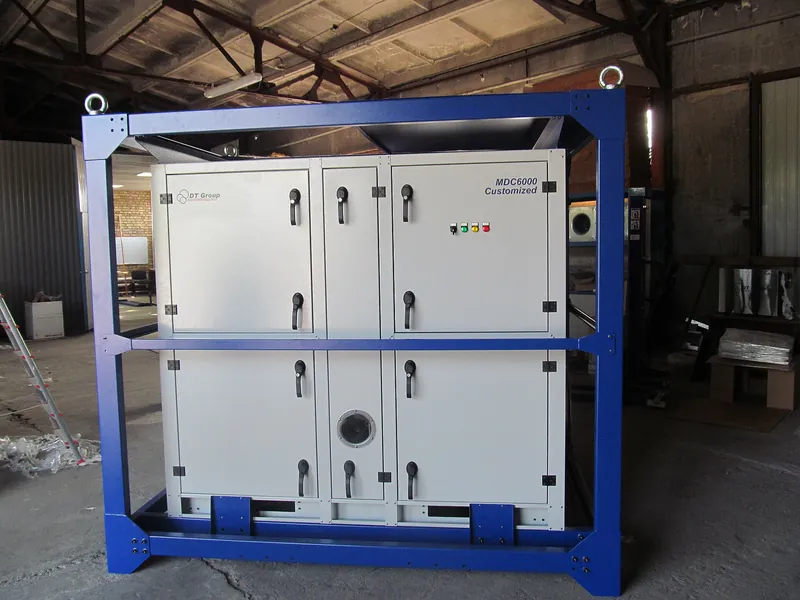

Drying equipment is loud and takes up floor space. Some owners keep part of the building open, move staff to a dry area or schedule noisy work after hours. Others close entirely for a stretch.
The EPA wants wet areas and items dried in 24 to 48 hours to head off mold, so waiting to start has a cost of its own. See the structural drying page for how drying is measured, and ask whether the provider will give you a written plan for hours, access and equipment.
What happens after a sprinkler discharge or a sewage backup?
Both are special cases that call for the right specialist first. Triple-I names accidental discharge or overflow from sprinkler systems among the perils on standard policy forms, but a business policy still controls what is covered. A sewage backup is a different category of water altogether.
For a sprinkler discharge, the fire protection contractor handles the system. Water extraction and drying can start once the water is off. Tell the insurer how it happened, whether by accident, because of a fire or through damage to a pipe, since the cause shapes the claim.
IICRC's S500 standard calls sewage and rising flood water Category 3, grossly contaminated. The EPA says to bring in a professional who has worked on buildings with contaminated water. Read the sewage backup page and the flood cleanup page, and keep customers and staff out of the affected area.
Does commercial insurance cover water damage, and what about business interruption?
Possibly, but the policy wording decides, and a commercial policy is not a homeowners policy. Ask your agent what it covers, what it excludes and what you must do after a loss. Business interruption, meaning income lost while you are closed, is a question for your own policy.
Triple-I writes about homeowners policies, but its points are good questions for any agent. Standard homeowners and renters policies exclude flood, which needs its own cover. A typical homeowners policy does not pay for sewer backups, and damage from poor maintenance is not covered either.
Also ask about stock, equipment, records and the cost of moving them. TDI gives an insurer 15 business days from receiving what it needs to accept or reject, then five business days to pay once it agrees. The insurance claims guide covers the habits that carry over: photograph first, save receipts and keep damaged items until the adjuster has visited.
Who is responsible when a tenant and an owner share a building?
The lease and the source of the water decide. Neither side is responsible by default, so pull out the lease and tell the owner or property manager in writing. Ask who arranges drying, who handles contents and which insurer sits on each side.
Texas has a flood disclosure law for rentals, but it is written for dwellings. HB 531, as enrolled, makes a landlord disclose in writing, for residential leases signed or renewed from January 1, 2022, whether the home is known to sit in a 100-year floodplain or to have flooded in the past five years. A commercial lease follows its own terms, so a lawyer is the right person for lease questions.
A manager with several units should keep a single record that lists every unit affected, every message with a tenant and every receipt.
What should I ask a provider before work starts in my building?
Ask whether it takes commercial jobs of your size and type, how it protects occupied areas and how it will report progress. Providers differ, and this site cannot say what any of them offers. Get the answers in writing before you sign an authorization.
- Commercial experience. Has it handled a property like yours?
- Access plan. Who needs keys, codes and after-hours entry?
- Containment. How will wet areas be separated from areas still in use?
- Documentation. What daily moisture readings and photos will you receive?
- Contents. Who moves and stores stock and equipment? See contents cleaning and pack-out.
- Paperwork. Read the work authorization guide first, and the guide to choosing a restoration company for more questions.
Triple-I suggests written bids priced line by line, and no major permanent repairs until the adjuster has assessed the loss.
Sources: EPA guide to mold and moisture; EPA mold cleanup advice; IICRC S500; Triple-I claims after a disaster; Triple-I disaster coverage table; Triple-I, Facts and statistics: hail; TDI claim payment steps; TDI winter storm losses report; NWS DFW climate normals; NWS Fort Worth/Dallas, April 11, 2016 hail storm; NWS Fort Worth/Dallas, February 2021 winter storm; American Red Cross, Frozen pipes; Texas HB 531, enrolled text.