The short version
A hail storm roof leak in Dallas often starts weeks after the storm, when rain reaches bruised shingles or damaged flashing. Check the yard for dented metal, look for new ceiling stains, photograph everything and call your insurer. Ask a roofer to cover any opening, and dry wet insulation fast to head off mold.
How does a hailstorm turn into a roof leak?
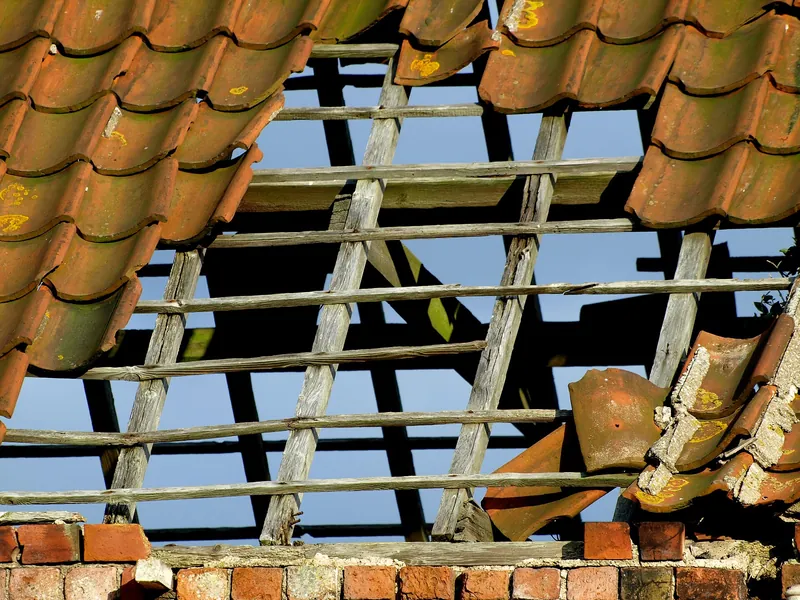
Hail damages a roof first and leaks come later. Stones bruise shingles, crack them or knock off the granules that protect the asphalt, and they dent vents and flashing. The roof may hold through the storm itself, then let water in during the next hard rain, sometimes weeks afterward.
That delay is why a hail storm roof leak in Dallas is easy to miss. A shingle with a cracked mat sheds water for a while, then lets it seep to the decking, the attic insulation and finally the ceiling. By the time a stain shows, the wet area inside can be much larger than the stain.
The wind that travels with hail adds to the problem. It can lift edges, push stones into gaps and drive rain sideways under shingles that would shed a vertical shower. For the first steps once water is inside, see the page on roof leaks and storm water damage in Dallas.
How common is damaging hail in North Texas?
Common enough that Texas leads the country. Triple-I reports that NOAA's Storm Prediction Center counted 902 major hail events in Texas in 2025, the most of any state, ahead of Kansas at 375 and Oklahoma at 369. Nationally the count was 5,432 events with hailstones of 1 inch or larger.
Dallas sits in the middle of that pattern. Wikipedia places the city at the lower end of Tornado Alley and says each spring, cold fronts meet warm, humid air from the Gulf Coast and set off severe thunderstorms with hail. The National Weather Service counts 46.5 days a year with thunderstorms at DFW Airport, from a 76-year record.
Not every thunderstorm day brings hail, and the NWS figure covers all thunderstorms. It does show how often the conditions line up.
A roof in this region is tested again and again, so age and condition matter as much as any single storm. Triple-I puts the 2024 national count at 5,373 events, so the total barely moved from one year to the next.
What have past hailstorms done to Dallas-Fort Worth homes?
Two National Weather Service reviews show the scale. On May 5, 1995, hail up to softball size fell on Tarrant and Dallas counties in the storm known as Mayfest, with estimated damage of $2 billion. On April 11, 2016, a supercell produced very large hail across North Texas and hit Wylie especially hard.
| Storm | Hail size reported | What the NWS recorded |
|---|---|---|
| Mayfest storm, May 5, 1995 | Up to softball size | Estimated $2 billion in damage; more than 350 cars hit by hail or water |
| Supercell, April 11, 2016 | Up to baseball size indicated by radar | In Wylie, 80 percent of homes affected and damage above $300 million |
The Mayfest review also notes rainfall rates near 2.25 inches in 15 minutes over Dallas County, a reminder that hail storms bring heavy rain with them. That is the water that finds a damaged roof. Read the NWS pages for the Mayfest storm and the April 2016 hailstorm for the full accounts.
What signs of a hail leak show up inside the house?
Look for new stains, damp spots and musty smells after a storm, even if they show up later. Hail leaks are usually slow, so the clues are small at first. A faint ring on a ceiling after the first rain is often the opening of a longer problem.
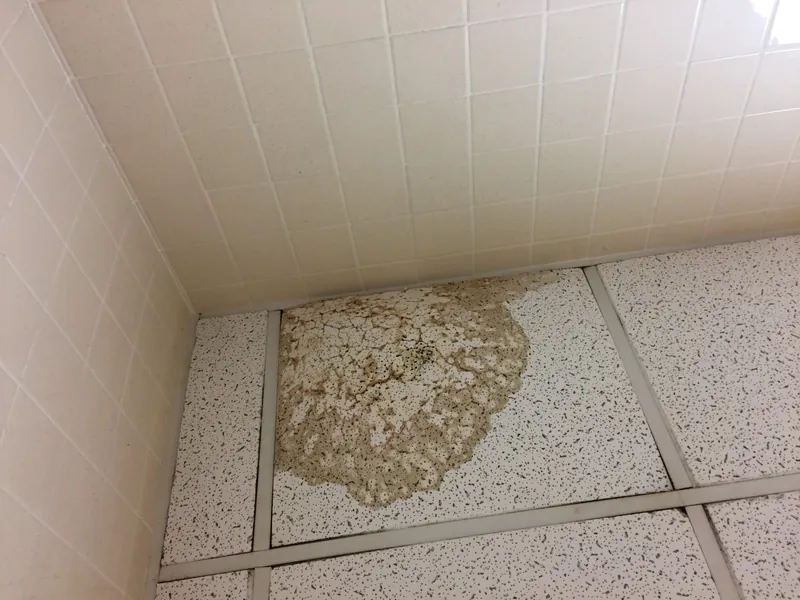
- New brown rings on ceilings that grow after each rain.
- Peeling paint or bubbling drywall near the top of an outside wall.
- Wet or flattened attic insulation under a part of the roof that took hail.
- A musty smell in a closet or upstairs room that was fine before. The water damage smell guide explains what it can mean.
- Drips at a light, a fan or a hatch during rain, which also call for caution around electricity.
The signs of water damage guide covers hidden clues in more detail.
How can I check my roof for hail damage without climbing up?
Walk the yard after the storm and look at the soft metal first. Gutters, downspouts, roof vents, window screens and the outdoor AC unit dent easily and show where hail struck. If those are dented, the shingles above them likely took hits too, though a roofer has to confirm it.
Do not climb a ladder onto a wet or slick roof. Falls are a bigger risk than the leak.
From the ground, look for shingle pieces in the yard, bare dark patches where granules came off, lifted edges and bent flashing at chimneys and walls. A phone with a zoom lens or a pair of binoculars helps.
A roofer can inspect more closely and write down what is hail damage and what is age. Ask for photos and a written finding, because your insurer will want to compare it with the adjuster's report. Roofers inspect in different ways, so ask what a visit covers.
Does homeowners insurance pay for a hail roof leak?
Usually it can, when hail or wind damaged the roof and rain then came through the opening. The NAIC lists a roof leak among the water losses a policy typically pays for, and ground water and rain runoff among those it does not. Triple-I warns that neglected upkeep is excluded, so the roof's age and condition matter.
Hail claims are large in Texas. Triple-I reports State Farm paid more than $5.6 billion in hail claims in 2025, and Texas was its top state for hail claims. That volume is one reason claims can take time and adjusters can be hard to schedule after a big storm.
Ask your agent in writing whether your policy handles wind and hail differently from other losses, and what your deductible is for each.
On timing, the Texas Department of Insurance sets 15 business days for the company to confirm your claim arrived and another 15 business days, once it has its paperwork, to say yes or no. A written explanation can stretch that by 45 days, and TDI may add 15 more after a weather catastrophe. See the water damage insurance claims guide and the page on CLUE reports for how claims are recorded.
What should I do in the first days after a hailstorm?
Photograph the damage before the next rain, make the house safe, and tell your insurer. Work in this order so the claim stays clear and the water stays out. The steps below keep both jobs moving at once, since roofers and adjusters are often in short supply after a large storm.
- Photograph the yard and house from the ground: hail on the ground if any remains, dented metal, torn screens and damaged shingles.
- Check inside the attic, ceilings and top-floor walls for drips, if you can do it safely.
- Phone your insurer and ask what it needs to start a claim and how it wants temporary repairs documented.
- Ask a roofer for a temporary cover over any opening and keep the receipt. Triple-I says to protect the property now and leave permanent repairs until the adjuster has seen the damage.
- Get written bids from more than one contractor, itemized by material and price.
- Call a restoration provider if insulation, drywall or flooring is wet. See water removal for how that begins.
Can a hail leak cause mold in the attic and ceiling?
Yes, when the materials stay damp. The EPA puts the drying target at 24 to 48 hours, because mold takes hold after that. A slow hail leak makes the target hard to meet, since nobody knows when the water began and wet insulation can keep framing damp for a long stretch.
Mold is also a coverage question. The NAIC says policies often exclude the cost of mold damage, and Triple-I says policies will not cover mold or damage caused by poor upkeep. That makes fast drying worth more than a late cleanup.
A restoration provider can take moisture readings in the ceiling and attic and tell you which materials need to be removed.
For small areas the EPA says you can in most cases handle mold under about 10 square feet yourself. Texas regulates larger mold work, and TDLR says visible mold under 25 contiguous square feet can usually be cleaned by unlicensed people. See mold after water damage before deciding who to call.
How do I avoid trouble with door-to-door roofers after hail?
Slow the process down, because pressure is the common thread in storm scams. After a large storm, crews from out of town knock on doors, and some ask for deposits or a signed assignment of your claim. A genuine contractor can wait while you call your insurer and compare bids.
Triple-I suggests itemized written bids from licensed contractors, and it says to vet any public adjuster through the BBB and the state insurance department. Those adjusters can charge up to 15 percent of the settlement, according to Triple-I.
Read every form before you sign, especially anything that signs over your claim. The page on work authorizations lists what to look for, and choosing a restoration company has questions to ask.
This site is a referral service, not a contractor. It does not inspect roofs or file claims, and it cannot say who is available after a storm. Confirm directly what any provider will do.
When should I call a restoration provider after hail?
Call when anything inside the house is wet or sagging, not for hail dents alone. A roofer deals with the roof and a restoration provider deals with the water inside. If a ceiling is stained, insulation is soaked or a floor is damp, drying should start while the roof repair is scheduled.
Ask the provider what moisture readings it will take, whether it removes wet insulation and drywall, and how it documents the work for your insurer. The structural drying page explains how a dry-out is measured, and ceiling water damage repair covers what happens to a wet ceiling.
Gutters that overflow after a storm can add water at the roof edge and down the wall. The gutters and downspouts page covers how to check them.
Sources: Triple-I, Facts + Statistics: Hail (hail counts, State Farm claims); NWS Fort Worth/Dallas, the Mayfest storm (softball hail, $2 billion, rainfall rate, cars damaged); NWS Fort Worth/Dallas, April 11, 2016 hail storm (Wylie, baseball-size hail); NWS DFW records and normals (thunderstorm days); Wikipedia, Dallas (Tornado Alley, spring storms); NAIC, Homeowners Insurance; Triple-I, covered disasters; Triple-I, settling claims; TDI, claim steps; EPA, mold and moisture; TDLR, mold FAQ.