The short version
A CLUE report water damage entry lists the loss type, date, amount and status of a claim on a property, going back five years, per Triple-I. Insurers use it to underwrite. Request your own from LexisNexis, ask sellers for theirs, and read it beside repair records and an inspection.
What is a CLUE report?
A CLUE report is a record of insurance claims tied to a home or a car. CLUE stands for Comprehensive Loss Underwriting Exchange. Most home and auto insurers contribute claims history to the database, and insurers use it when they decide whether to write a policy and how to price it.
The Insurance Information Institute (Triple-I) says the database is available from LexisNexis. It calls the document a loss history report, and the two names mean the same thing in practice.
For a water damage claim, the point is simple: the claim is recorded against the property, not only against you. A Dallas homeowner who files after a burst pipe, a roof leak or a water heater failure leaves a record that a later buyer or insurer may see. This page explains what the record holds and what to do about it.
What does a CLUE report show about water damage claims?
Triple-I says the report shows the type of loss, the date of the loss, and the amount and status of each claim, going back five years. A water claim therefore appears as a water loss with a date, a dollar amount and a status such as open or closed.
| Report item | What it tells you | What to ask |
|---|---|---|
| Type of loss | Water, hail, wind, fire or another cause | Was the cause fixed, not just the damage? |
| Date of loss | When it happened | Is it before or after the seller bought the house? |
| Amount | The size of the claim | What repairs does the amount point to? |
| Status | Open or closed | Was work finished and paid for? |
The report is a summary and not a repair history. It does not tell you whether a leak was fixed, whether drying was done well, or whether mold was handled. A buyer needs the repair records, receipts and an inspection to answer those questions.
How long do water claims stay on a CLUE report?
Triple-I describes the report as covering the last five years, while the Texas Department of Insurance home guide says seven. The sources differ, so confirm the exact retention rules with the company that holds your report. Claims older than the reporting window may not show up, but the damage can still be in the house.
That gap matters for older Dallas houses. A leak from six years ago that was patched badly will not show on a report, yet a stain or soft spot may. Look at the house as well as the paper.
The Texas Department of Insurance counted 511,473 claims statewide from the February 2021 freeze, as of June 30, 2022. Many Texas homes carry a claim record from that event, and a record is not a defect by itself. What counts is what was repaired and how.
How do I get my own CLUE report?
Request it from LexisNexis, the company Triple-I names as the source. Triple-I adds that by law one free report is allowed per year. Ask LexisNexis for the current steps, since a request process can change, and have the property address ready.
- Decide which report you need: one for the home, one for you as a policyholder, or both.
- Request it from LexisNexis and keep a record of the date you asked.
- Read each water entry and compare it with your own claim paperwork.
- Check the amounts and the status of every claim.
- Ask your insurer or agent about anything that looks wrong, and ask LexisNexis how to dispute an error.
Triple-I also notes that an A-PLUS property report is available from ISO for homes. Ask your agent which report your insurer uses, since insurers differ.
How can I use a CLUE report when buying a Dallas house?
Ask the seller to request the report and share it, which is what Triple-I advises, then compare it with what the seller disclosed. If the report shows damage, Triple-I says you can have the house checked by a professional before committing to the purchase.
Texas sellers also fill out a disclosure notice. As enacted in 2019 under SB 339, the notice asks about previous flooding, water damage not due to a flood event, and previous water penetration from a natural flood event. Read the report beside that form and ask about any mismatch.
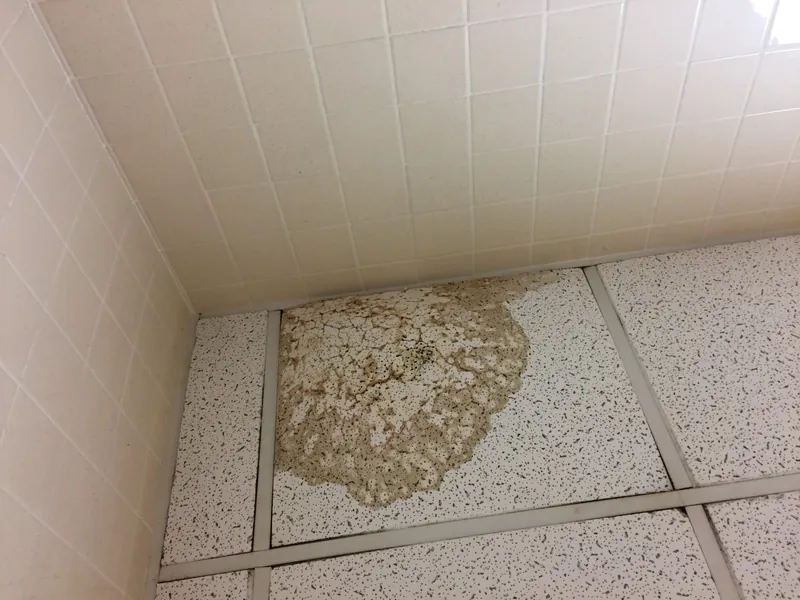
Mold is another paper trail. The Texas Department of Licensing and Regulation (TDLR) says a seller must give the buyer each mold remediation certificate from the five years before the sale. For the full buying checklist, see buying a flooded house and home inspection for water damage.
Does one water claim raise my insurance cost?
It can, but this page cannot say by how much, because insurers use their own rules. Triple-I says insurers generally use CLUE data when they underwrite policies. A single claim, several claims, the cause and the amount may each be treated differently by different companies.
Ask your agent before you file, not after. Ask how the company treats a claim that pays little, and how it records a call that never becomes a claim. Do not assume a phone question is free of consequences or that it is costly. Get the answer for your own insurer.
The Triple-I fact sheet reports that about one in 60 insured homes has a water damage or freezing claim each year, so a water entry on a report is common. For the other side of the choice, see water damage restoration cost.
Should I file a claim or pay for the repair myself?
Get the repair estimate first and compare it with your deductible. When the estimate is close to or under the deductible, a claim may pay little and still leave a record. A larger loss usually justifies filing. The decision is yours, and your insurer can answer coverage questions before you commit.
Across 2019 to 2023 Triple-I found a $15,400 average for water damage and freezing claims. Your loss may be far smaller or larger. If water came from outside the house, standard homeowners policies exclude flood, per Triple-I, so a flood policy is a separate matter.
Paying yourself has limits too. Skipping a claim for a loss that was covered may mean you cannot go back later for a hidden problem. Keep photos, the plumber's report and receipts either way. The insurance claims guide covers the paperwork, and loss of use coverage covers living costs during repairs.
What if my report lists a claim that is wrong or unclear?
Start with the insurer that reported it, then with the company that holds the report. Ask for the claim details in writing, compare them with your own records and note the date, amount and status. Send corrections in writing and keep copies of everything.
The Texas Department of Insurance describes steps for getting a claim paid and a complaint page titled "Get help with an insurance complaint" with a "File a complaint" link. Its general questions line is 800-252-3439. The TDI complaint page has the form.
TDI also reported that the average time to close a residential claim from the 2021 freeze was 61.4 days. A claim that still shows as open on a report may simply be old paperwork, so ask whether it was closed and when.
Can renters see the water history of a Dallas home?
Renters cannot usually pull a landlord's CLUE report, but Texas gives them a notice. Under HB 531, leases signed or renewed on or after January 1, 2022 must say whether the landlord is aware the dwelling is in a 100-year floodplain and whether it has flooded at least once within the last five years.
The notice also says most tenant insurance policies do not cover flood damage. Another bill, SB 2349, amends the same section and lists September 1, 2025 as its effective date, so confirm the current wording before relying on it.
If you rent, read that notice, ask the landlord about past leaks, and photograph the unit on move-in. See apartment and condo water damage for what to do when a leak happens.
This page is general information and not legal or insurance advice. Your policy and the report itself decide what applies to you. More guides sit in the water damage guides.
Sources: Triple-I, What is a loss history report?; Triple-I, Homeowners and renters facts; TDI, Winter Storm Uri losses report; TDI, Get help with an insurance complaint; Texas Legislature, SB 339 (2019); Texas Legislature, HB 531 (2021); Texas Legislature, SB 2349 (2025); TDLR, Mold Assessors and Remediators at a Glance; Triple-I, Which disasters are covered.