The short version
Home inspection water damage findings are clues, not diagnoses. Ask which areas get moisture readings, check the attic, water heater and air conditioner drain, and follow up on any flagged spot before the option period ends. The EPA advises drying wet areas in the first 24 to 48 hours.
Can a home inspection find water damage in Dallas?
A home inspection can point to water damage through stains, soft spots, odors and moisture readings, but it cannot see inside sealed walls or under a slab. Treat a home inspection water damage finding as a lead to follow up, and a clean report as one data point rather than proof.
Scope varies by inspector and by the contract you signed, so ask what the visit covers before it starts. This site is a referral service, not an inspection firm or a contractor, and it cannot say what any particular inspector will do.
What follows explains how to read the water-related lines on a report, which spots in a North Texas house deserve attention, and what to do when a finding needs a second look.
What water damage signs show up on an inspection report?
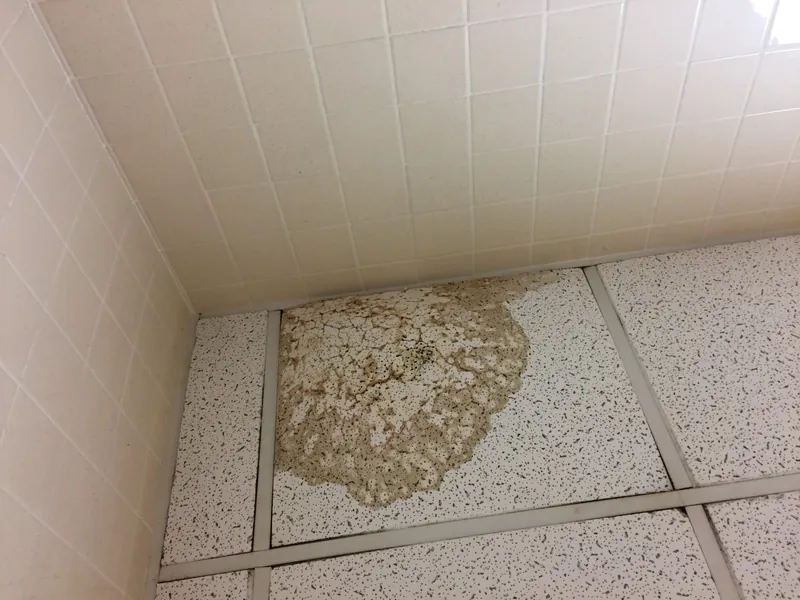
Reports usually describe stains, discoloration, soft or swollen materials, peeling paint, rust and musty smells, then name a room and a likely cause. Each item is a clue, not a diagnosis. The table pairs common findings with causes that fit a Dallas house and a sensible next step.
| Finding on the report | Causes that fit North Texas | Reasonable next step |
|---|---|---|
| Brown ring on a ceiling | Roof leak after hail, or an attic air conditioner drain overflow | Check the attic above it. See ceiling water damage repair |
| Stain at a wall base | Plumbing leak, grading that pushes rain toward the house, or past flooding | Ask for a moisture reading and look outside at the grade |
| Soft cabinet floor under a sink | Slow supply or drain leak | Have a plumber check the lines before any repair |
| Warped or cupped flooring | Wet subfloor or a leak under the surface | Read water damaged floor repair |
| Rust or scale at the water heater | Failing fitting or tank, often in an attic or garage | See water heater leak |
| Musty odor, no visible stain | Moisture inside a wall or under flooring | Ask for moisture readings and read water damage smell |
A line that says evidence of previous moisture means the area was wet at some point. It does not say whether the leak is active, whether it was fixed, or whether the materials behind it dried.
Where should an inspector look in a slab-on-grade home?
In most North Texas houses the leak points sit in the attic, the garage, the utility closet, the kitchen and bath, and along the roofline and exterior walls. Many homes here rest on concrete slabs, so a lower level is rarely the first place to look.
Walk through the same list yourself during the visit, so you arrive at the inspector's door with specific questions.
- Attic: the air handler drain line and pan, the water heater if it sits there, and the underside of the roof deck.
- Garage and closets: the water heater base, supply connectors and nearby drywall.
- Kitchen and laundry: sink cabinets, dishwasher and refrigerator lines, washer hoses.
- Bathrooms: shower pan edges, toilet bases and tub surrounds.
- Exterior: window and door frames, roof penetrations and where the soil meets the wall.
The prevent water damage guide covers the same spots from a maintenance angle, and AC leak water damage explains the condensate line in detail.
What should I ask the inspector before the visit?
Ask whether a moisture meter will be used, which areas it will be used on, and whether the report will include the readings and photos. Ask what the inspection leaves out, such as areas that are blocked or unsafe to reach. Get the answers in writing before you book.
- Tell the inspector what you know about earlier leaks, claims or flooding at the address.
- Ask for readings, not only descriptions, on any wall or floor that looks suspect.
- Request attic access and clear the path to the water heater and air handler.
- Ask whether the plumbing was pressure-checked or whether a plumber should do that separately.
- Ask what a follow-up visit would cost and whether a specialist can join the visit, if one is available.
Providers and inspectors differ in services, so confirm directly. If you are buying a house with a known flood history, buying a flooded house in Dallas adds the seller disclosure questions.
What do I do when the report flags moisture?
Do not argue with the word moisture. Find out whether it is active, how large the area is and what caused it. Ask for the reading, photograph the spot, and call in the right trade, usually a plumber, a roofer or a drying provider, before the option period closes.
Mold is the clock that matters here. The EPA's mold guide puts the drying window for wet areas at the first 24 to 48 hours, so a spot that stayed damp for weeks is a bigger concern than a one-time stain. Its humidity target is under 60 percent, with 30 to 50 percent as the ideal.
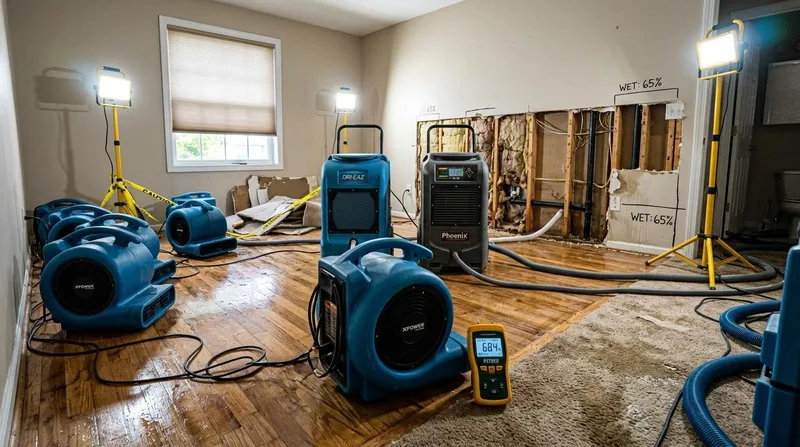
If the finding involves a roof or plumbing leak, get a written repair estimate along with the drying scope. The signs of water damage guide helps you confirm what the inspector saw, and water damage restoration cost shows published price ranges with their sources.
Does a freeze or hail season show up on an inspection?
Sometimes, through ceiling stains, patched drywall and roof repairs, but past events can be hidden by new finishes. North Texas has a real history of both. Ask the seller what happened at the house during storms and freezes, and ask the inspector to look for repair patches.
The National Weather Service says DFW Airport spent 139 consecutive hours at or below freezing in February 2021. The Texas Department of Insurance put the average incurred loss at about $17,800 for residential property policies from that storm. The winter storm 2021 pipe damage guide has more.
On hail, Triple-I counted 902 major hail events in Texas in 2025, the most of any state. The NWS says the April 11, 2016 storm affected 80 percent of homes in Wylie. See hail storm roof leaks for how those leaks show up indoors.
What can an inspection not tell me about water damage?
An inspection cannot tell you how much water is inside a closed wall, whether a pipe under the slab is leaking, or how a house behaved in storms before you saw it. It records what was reachable and visible that day, so some damage will always need a separate check.
Three gaps come up often in North Texas houses. Attic spaces can be hard to cross, so a stain on a decking board may go unseen, and seasonal leaks such as an air conditioner drain that overflows only in a hot spell may be dry on the day. Fresh paint and new flooring can also cover a wet area for a while.
Fill those gaps with questions to the seller and with a second look from the right trade. A plumber can test lines, a roofer can check penetrations and flashing, and a drying provider can measure wall and floor moisture. Ask each one for readings or photos you can keep with the report.
Does the inspection affect my insurance and claim history?
It can. An inspection that documents existing moisture also shows the damage was there before you bought, and a repaired leak may appear in a loss history because insurers can ask about prior losses on an address. Ask your agent how yours treats it before you commit.
A written report also helps in a later dispute. Keep the report, the photos and any readings together with your closing papers, and note which findings were repaired and by whom.
Roughly one insured home in 60 files a water damage or freezing claim every year, per the Insurance Information Institute. The CLUE report guide explains what a loss history report can show about a property you are considering.
The NAIC separates leaks from the home's own plumbing or roof, usually covered, from ground water and rain runoff, which are not. A loss that mixes both can get complicated, so put questions to your agent early. The water damage insurance claims guide lays out the steps.
When should I call a restoration provider after an inspection?
Call when a report shows active water, a wet wall or floor, or a smell that points to moisture you cannot reach. A provider can take readings and explain what would be dried and what removed. Providers differ in what they offer, so confirm each point directly.
- Ask for the moisture readings and where they were taken.
- Ask which materials would be dried in place and which removed, and why.
- Ask for the scope in writing so you can use it in the sale negotiation.
Do not let anyone start work before you have read the paperwork. The work authorization guide explains what to look for. This site connects callers with independent providers and ranks none of them.
Sources: EPA, A Brief Guide to Mold, Moisture and Your Home; NWS Fort Worth/Dallas, February 2021 winter event; TDI, Winter Storm Uri losses report; Triple-I, Facts + Statistics: Hail; NWS Fort Worth/Dallas, April 11, 2016 hail storm; Triple-I, Homeowners and renters insurance statistics; NAIC, Homeowners Insurance.