The short version
Loss of use coverage for water damage pays extra living costs when a covered loss makes your home unlivable. Triple-I says the amount generally equals 20 percent of the home insurance, and typical items include rent, restaurant meals and extra transportation. Flood and sewer backup are usually excluded. Keep every receipt.
What is loss of use coverage after water damage?
Loss of use coverage pays extra living costs when you cannot stay in your home because of a covered loss. Triple-I says homeowners policies cover additional living expenses if your home is damaged by an insured disaster. It adds that policies often discuss those expenses under the heading loss of use.
The coverage is meant to keep your daily life roughly where it was, not to improve it. It covers the gap between what you normally spend and what you spend while displaced. Your policy wording, not this page, decides what is included.
It sits beside the other parts of a claim. The insurance claims guide covers the steps for the building and contents, and this page covers the hotel and meal side.
What costs can loss of use cover?
Triple-I lists eating out, rent, phone or utility installation at a temporary residence and extra transportation among the items typically covered. Other costs depend on your policy. Because the word is reasonable, keep every receipt and ask before you spend on anything unusual.
| Expense | Triple-I's view | What to keep |
|---|---|---|
| Hotel or rental stay | Rent is typically covered; Triple-I also refers to other accommodations | Booking confirmations and receipts |
| Restaurant meals | Eating out is typically covered | Itemized receipts, with a note of what you normally spend |
| Phone or utility setup | Installation at a temporary residence is typically covered | Activation bills |
| Extra travel to work or school | Extra transportation is typically covered | Mileage log and parking or fuel receipts |
| Pet boarding, laundry, storage | Not listed by Triple-I; ask your insurer | Receipts and the insurer's answer in writing |
Triple-I also says payments for temporary repairs are part of the total settlement. If you relocate, keep a record of your expenses. The contents cleaning and pack-out page covers storage of belongings.
How much loss of use coverage might my policy include?
Triple-I says the amount available for temporary living expenses is generally equal to 20 percent of the insurance on your home, in addition to the money for repairs. Some insurers pay more than 20 percent, and others limit expenses to a certain period. Your policy declarations page lists your actual terms.
Triple-I adds that the insurance company will advance you money for reasonable additional living expenses when you cannot live in the home. Ask whether your insurer pays in advance or reimburses after you submit receipts, since that affects how much you front yourself.
Look for three things on your policy: the dollar limit, any time limit and the wording on what counts as reasonable. If any of them are unclear, ask your agent to explain them in writing. A phone call is easy to forget, but an email can be saved.
When does water damage actually make a home unlivable?
A home is unlivable when it is unsafe or unusable, for example with no running water, a wet electrical panel or contaminated water inside. Not every leak qualifies. A small leak in one room usually does not displace anyone, while a burst pipe or a sewage backup might.
IICRC's S500 standard calls sewage and rising flood water Category 3, grossly contaminated. The EPA says a professional who knows contaminated-water jobs should be called, so a sewage loss can push a family out for a while. See the sewage exposure health page.
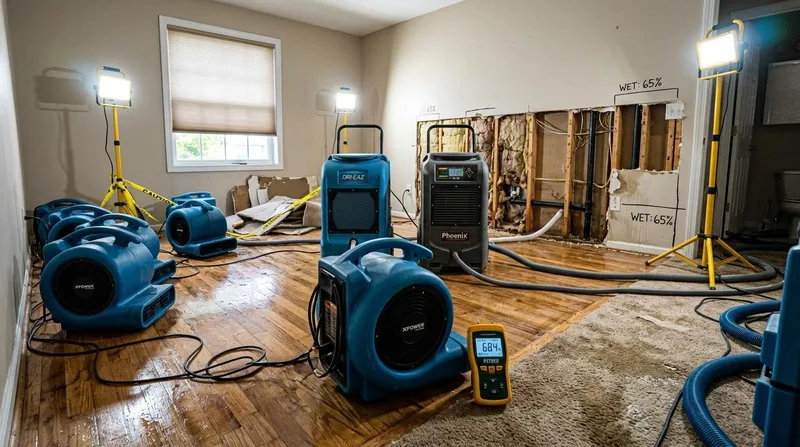
Drying also affects daily life. Air movers and dehumidifiers run for days, and the EPA wants wet areas dry in 24 to 48 hours to stop mold. The structural drying page explains the process.
Ask your insurer in writing whether it considers your home unlivable, and ask the provider how long drying is expected to take.
How do I claim hotel and meal costs step by step?
Call your insurer before you book anything long, tell it you cannot stay in the home and ask what it will pay. Then keep every receipt for the whole stay. Triple-I advises contacting your agent or company immediately, so start there and work down this list.
- Tell the insurer you cannot stay. Say which rooms are unusable and why.
- Ask what loss of use covers. Get the dollar limit, any time limit and what counts as reasonable.
- Ask about advance payments. Some insurers advance money, and others reimburse later.
- Keep your regular costs. A normal grocery bill shows how much extra you are spending on meals.
- Save every receipt. Triple-I advises keeping records of relocation expenses.
- Log it in one place. Use a list with dates, amounts and what each cost was for.
- Ask a provider for a drying estimate. The timeline helps you plan how long you will be away.
Do not wait for the final settlement to start recording costs.
Does loss of use apply to flood or sewer backup?
Not under a standard homeowners policy, in most cases. Per Triple-I, standard homeowners and renters policies leave out flood, and a typical homeowners policy skips sewer backups. When the loss itself is not covered, the living costs that follow usually are not either.
FEMA says most homeowners insurance does not cover flooding. The NAIC adds that ground water, rain runoff and snow-melt damage is not covered, while a plumbing leak or a roof leak typically is. How the water got in decides which policy might respond.
Flood cover comes as its own policy, and sewer backup cover as its own product or endorsement. Read each one to see whether it includes living costs. The flood zone page helps with the risk side, and the sewage backup page covers the cleanup side.
How long can the stay last, and who sets the clock?
It depends on your policy limit, any time limit and how long repairs take. Triple-I says some insurers pay more than 20 percent, while others limit expenses to a period of time. Texas claim deadlines also shape how soon you hear back.
Under TDI's guidance, the insurer has 15 business days to acknowledge a claim, then 15 more business days from receiving what it needs to decide. It may add 45 days if it explains why, and once it agrees to pay it has five business days.
The TDI report on Winter Storm Uri found an average of 61.4 days to close a residential claim. That is a statewide figure from a very large event, so it is not a prediction for your claim. It does show why you should keep receipts for the whole period, and why you should ask the insurer how far in advance it can approve a stay.
What if I rent or own a condo?
Read your own policy, because renters and condo policies are separate products. Triple-I's additional living expense guidance is written for homeowners, so do not assume the same terms apply. Ask your insurer directly whether your policy includes loss of use and what its limit is.
A renter, a landlord and a condo association can each carry a different policy. Which one answers for the structure, which for belongings and which for living costs depends on the documents, so ask each party for its policy details in writing.
The apartment and condo guide covers the tenant and association side. Tell the landlord or manager in writing right away and keep a copy.
Why do Dallas households end up needing loss of use?
Dallas households end up displaced mostly after large events that damage many homes at once: a hail storm, a heavy rain, a hard freeze. A single burst pipe or roof leak can also push a family out for a while. Knowing your policy before it happens helps.
The NWS says DFW Airport spent 139 consecutive hours at or below freezing in February 2021, and the TDI report counts 511,473 insurance claims statewide, with an average incurred loss of about $17,800 for residential property policies. After the April 11, 2016 hail storm, the NWS says 80 percent of homes in Wylie were affected.
The winter storm page and the hail and roof leak page show the patterns. If a big storm hits, tell your insurer early where you are staying and why.
What should I do if my loss of use claim is delayed or denied?
Ask for the decision in writing, then compare it with your policy wording and the notes you kept. TDI says a company that rejects a claim must explain why in writing. If you disagree, Triple-I suggests contacting the agent or the claim department manager.
Triple-I notes that many policies allow an independent appraisal: each side names an appraiser, the two choose an umpire and any two decide. Public adjusters may charge up to 15 percent of a settlement, so vet them with the BBB and the state insurance department.
TDI takes insurance complaints, and its general questions line is 800-252-3439. Send your receipts, your dated expense log and the written reasons you were given. The claims guide has more on the process.
Sources: Triple-I claims after a disaster; Triple-I disaster coverage table; NAIC homeowners insurance page; FEMA flood insurance FAQ; TDI claim payment steps; TDI, Get help with an insurance complaint; TDI winter storm losses report; IICRC S500; EPA guide to mold and moisture; EPA mold cleanup advice; NWS Fort Worth/Dallas, February 2021 winter storm; NWS Fort Worth/Dallas, April 11, 2016 hail storm.